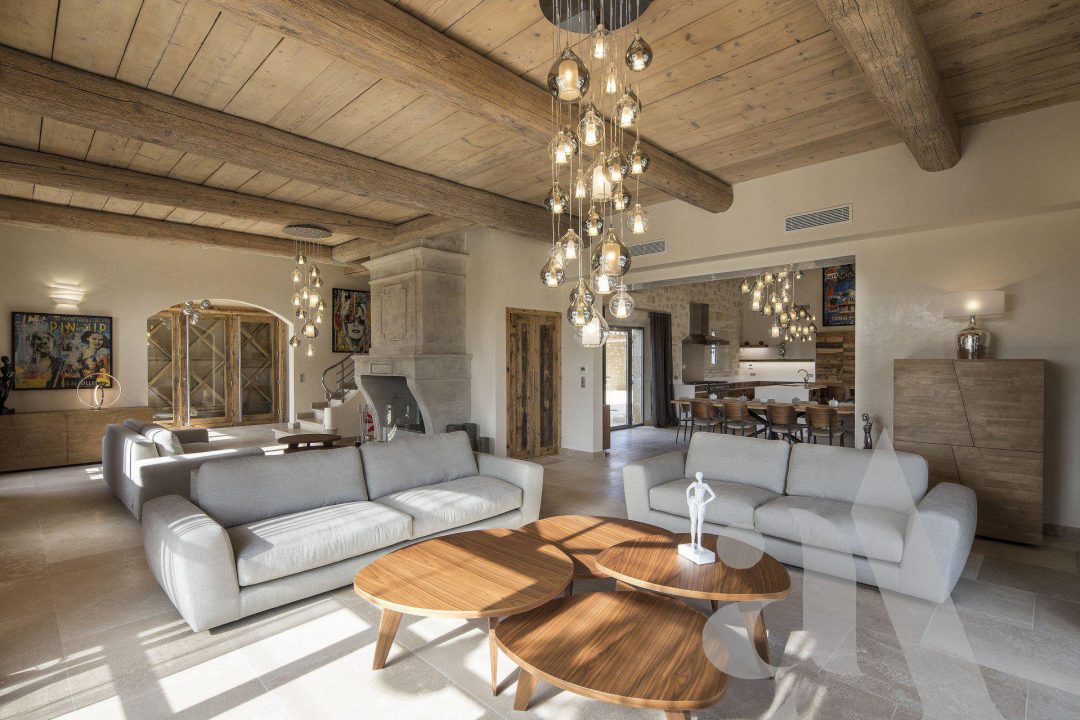
Between games of transparency and reflection, Concept Verre has been creating interior lighting with a refined design since 2007, in its workshop in Nice, in the South of France.
Glass being the pillar of its creations, Concept Verre conceives strong and timeless pieces with the greatest respect for the traditions of master glassmakers and designed in collaboration with passionate designers. Continue Reading
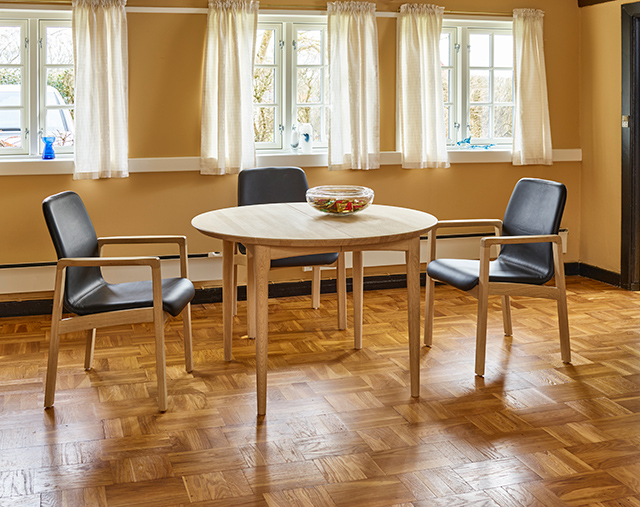
Founded in 1960, we at dyrlund pride ourselves in delivering only the finest quality furniture for high end homes & executive offices. The gold quality seal logo is an expression of our attitude towards furniture production – only the best will do. Continue Reading
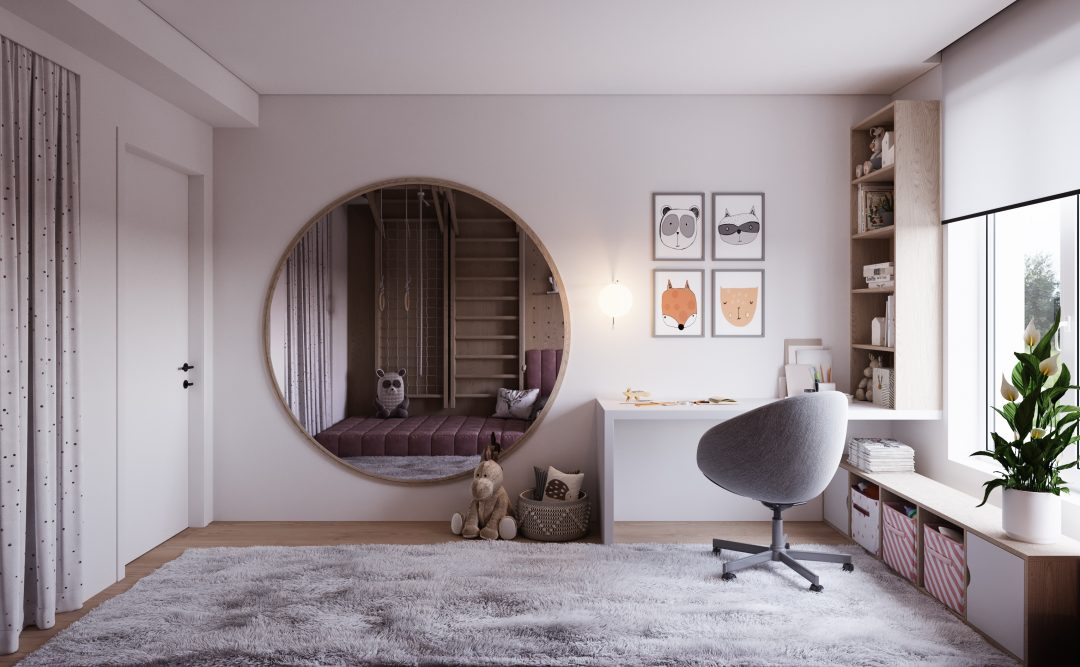
Reghina Ivanco, the founder of Art Focus Studio, has a passion for exploring different mediums and styles in her artwork. Her dedication to capturing the essence of the human spirit has led her on a journey of constant inspiration and growth as an artist. As the visionary behind Art Focus Studio, Reghina envisions a space where artists can come together, collaborate, and showcase their unique creations. Her belief in the power of art to connect people and inspire change drives her commitment to promoting creativity and self-expression. Continue Reading
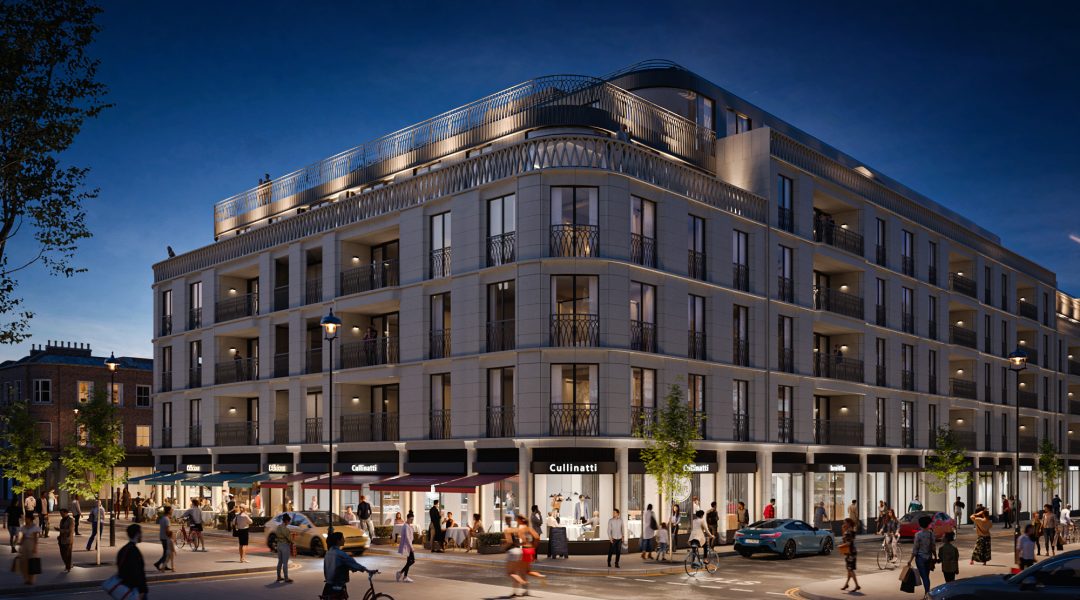
In the heart of one of London’s most desirable neighbourhoods, Marylebone Square, by leading developer Concord London, is a rare mixed-use development revitalising a new section of Marylebone’s historic streetscape. Continue Reading
The Mews Fabrics & Furnishings specialises in unique textiles and furnishings from around the world. We work with local artisans in India, Spain and Mallorca to create beautiful and individual pieces. We also sell fabric printed in the UK, designed and created by a well-known watercolour artist and have recently launched our own exclusive collection of fabrics, called The Home Collection. Continue Reading
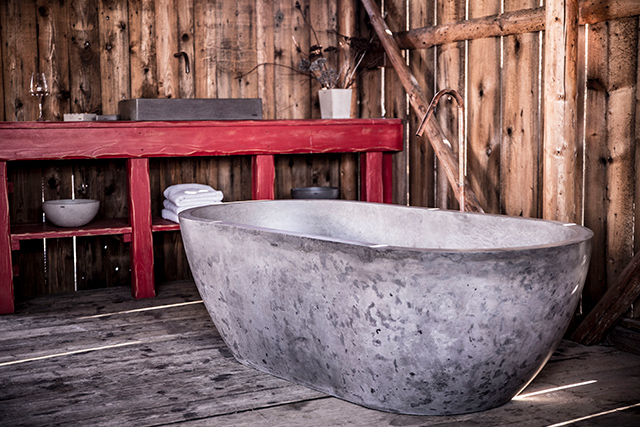
Concrete. Impressive yet decent. Soft yet robust. Expressive, but surprisingly intimate. A material of many faces – never boring, always attractive arousing emotions.
Créer means create. Giving a material a specific form; respecting its properties to create a work of art in a functional form. Continue Reading
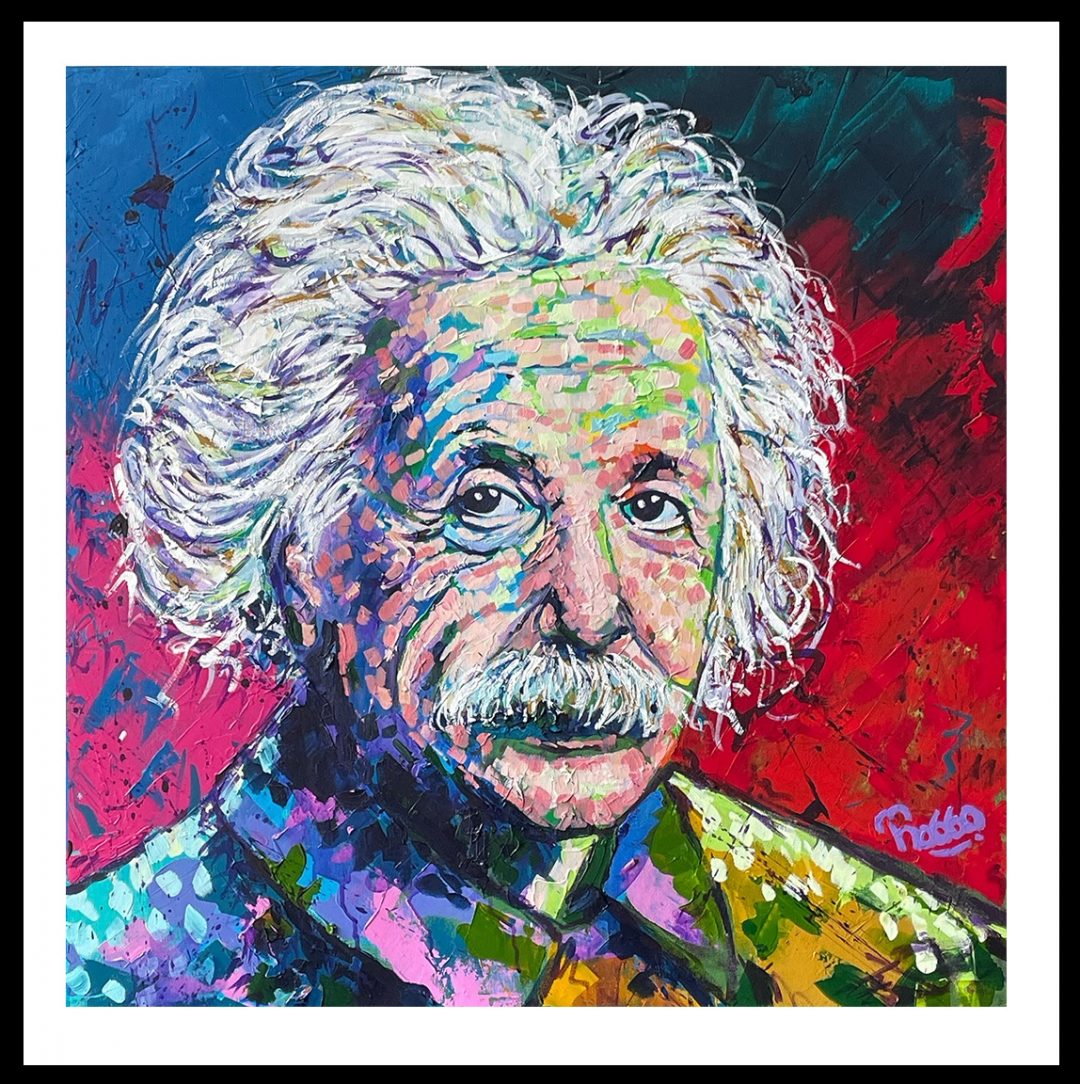
HobbART presents a unique approach to modern interiors, blending the dramatic flair of theatre set design with the refined techniques of acrylic landscape and pop art. Founded by Hobbo, a seasoned artist with a flair for capturing the iconic in a splash of vibrant colours, HobbART’s collection is a celebration of visual storytelling. Continue Reading
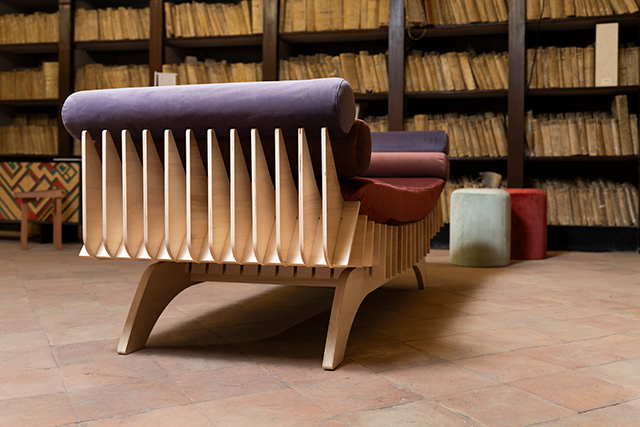
Every single action holds immense power, every single choice can change the world. This is the vision and the mission of Panguaneta, an Italian company based in the Po Valley, renowned for producing top-tier poplar plywood and pioneering environmentally friendly solutions. Panguaneta firmly believes in the importance of building solid strategic partnerships, asserting that only by sharing values, expertise, and diverse fields of excellence dreams can be transformed into tangible projects. Continue Reading
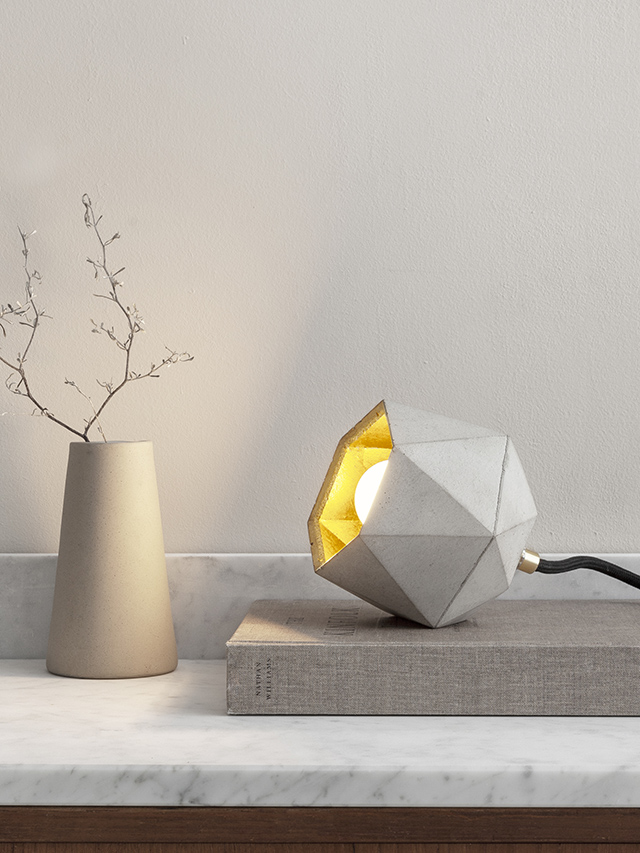
The unique lights from GANT lights embody timeless design with architectural influence. Under the direction of designer and architect Stefan Gant, lights are made from concrete, wood and precious metals that create fascinating contrasts and unique material combinations. Continue Reading
Exploring the Enduring Allure of Georgian Windows: A Quintessential Element of British Architecture
In this article, Colin Greenslade, Founder of Colin’s Sash Windows, discusses the importance of Georgian windows in the UK. Colin is one of the UK’s leading authorities on sash windows in the UK. He disrupted the market in 2014 by offering uPVC sash windows to the general public at low fixed prices. Before this they were generally only being sold at inflated prices by double glazing installers.
1. Introduction
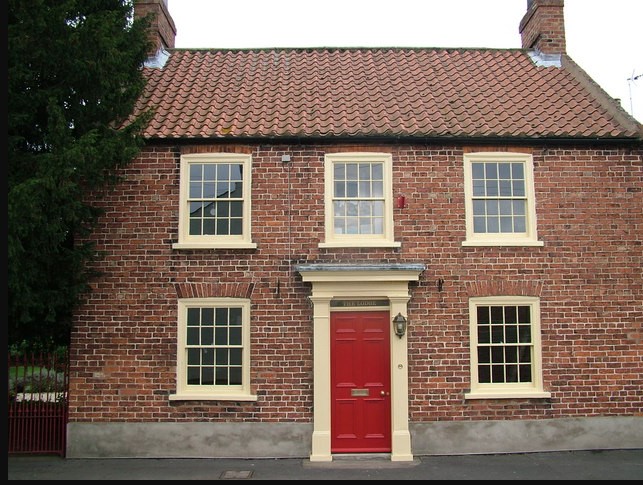
The UK’s architectural tapestry is richly woven with historical influences, among which Georgian architecture commands a special place. A key element of this style is the Georgian window, blending functionality with aesthetic charm, and contributing significantly to the overall allure of these historic structures.
2. Historical Background
The Georgian period, stretching from 1714 to 1830, was a time of architectural blossoming in the UK. This era saw significant shifts in social and economic landscapes, mirrored in the evolution of architectural styles. Windows evolved from basic structural openings to sophisticated design features, symbolizing the status and refined tastes of the homeowners.
3. Defining Features of Georgian Windows
a) Georgian Sash Windows
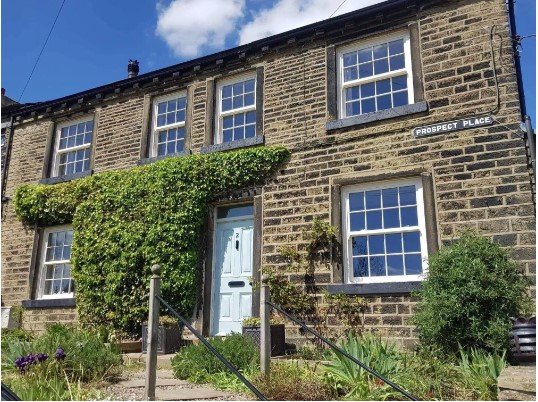
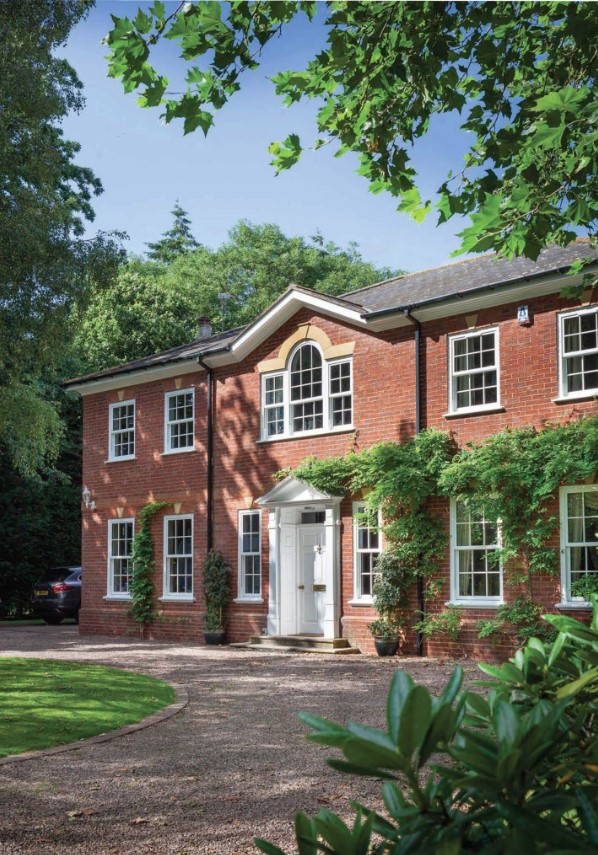
Noted for their balanced symmetry and proportion, sash windows are iconic. Typically, these windows showcased a six-over-six pane arrangement, a design necessitated by the limitations in glass production of the era. Georgian homes often featured uniformly wide windows, with the height of the windows decreasing on each ascending floor. Ground floor windows were notably tall to maximize natural light. These windows were primarily made of timber and employed traditional glazing methods, with crown glass being a preferred material.
The production of crown glass involved a unique process where a glassblower would form a flat, disc-shaped piece of glass from a blown hollow globe. This method resulted in a thicker centre, known as the “bullseye” or “crown,” giving the glass its name. The central bullseye section, often thicker and with a distinct pattern, was used in less visible areas due to its lower quality.
b) Georgian Cottage Windows
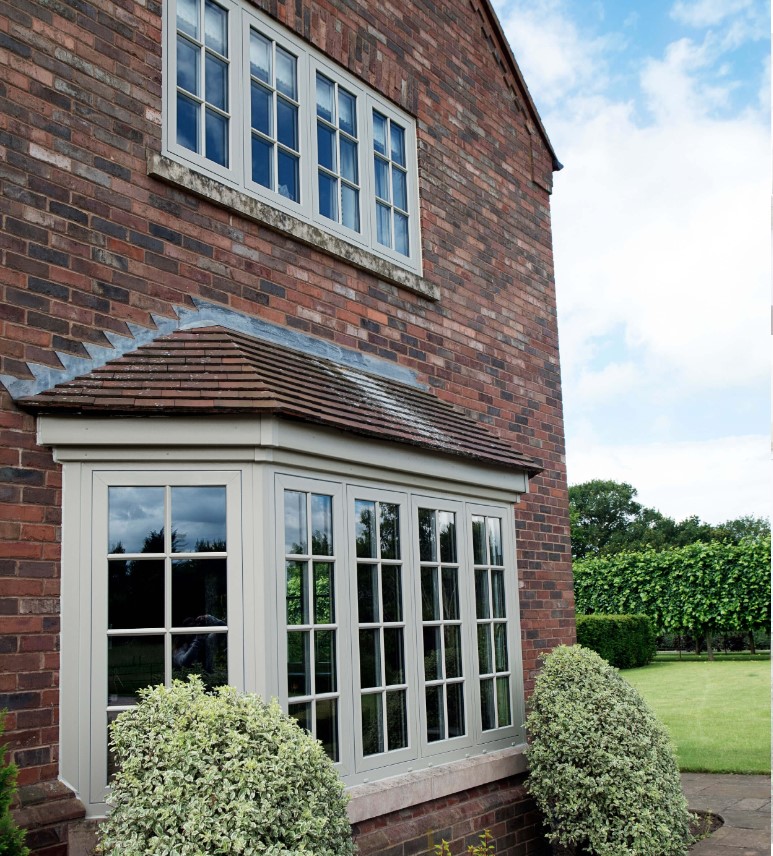
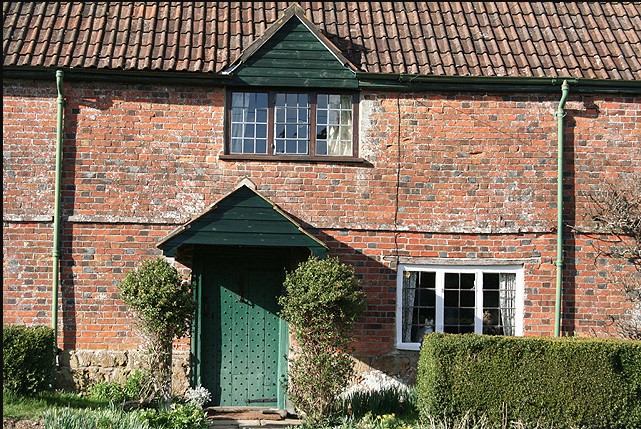
Before the sash window gained popularity, casement windows were prevalent in England. These windows, hinged at the side, opened outward and were often made with one fixed half to reduce costs. In rural areas, smaller homes, and cottages, casement windows remained popular throughout the Georgian era. They typically featured small glass panes held together by glazing bars, similar to the sash style. Decorative elements like the monkey tail design were common in iron casement stays and latches. Georgian cottage windows were often positioned lower, facilitating views from a seated position, aligning with the cozy interiors of cottages.
4. Georgian Windows in Contemporary Homes
The elegance and symmetry of Georgian architecture continue to inspire modern home designs. Georgian window styles have been adapted into contemporary homes, blending traditional charm with modern materials and technology.
• Modern Adaptations
Contemporary architects and designers often use uPVC to replicate the classic Georgian window. uPVC sash windows are favoured for their durability, energy efficiency, and low maintenance, offering the traditional look with modern benefits.
• Authenticity and Convenience
Modern uPVC sash windows can closely resemble traditional timber sashes, featuring the characteristic multi-pane design with glazing bars. These provide enhanced insulation, soundproofing, and security, combining Georgian aesthetics with contemporary functionality.
• Design Versatility
Today’s Georgian-inspired windows extend beyond sash styles. uPVC casement with Georgian astragal bars offer flexibility for various architectural styles.
• Energy Efficiency
Addressing the energy inefficiency of original Georgian windows, modern PVC alternatives often come with double or triple glazing, reducing energy costs and environmental impact.
• Integration in Modern Settings
Georgian window designs can be seamlessly integrated into modern structures, adding classic elegance to even the most contemporary settings.
• Renovation and Retrofitting
For period properties, uPVC style windows provide an ideal solution for maintaining historical charm while upgrading to modern standards.
5. Conservation and Restoration
In historic buildings, preserving is vital. Restoration involves balancing original features with functional upgrades. In the UK, local councils and heritage bodies oversee such projects to maintain architectural integrity.
6. Advantages of Georgian Windows
Georgian windows enhance natural light and indoor ambiance. Authentic Georgian windows can also increase property value due to their historical and architectural significance.
7. Challenges and Considerations
Maintaining historical windows presents challenges, including energy efficiency and compliance with modern standards. Finding skilled craftsmen and authentic materials can be challenging. For those unable to replace Georgian windows, secondary glazing is a viable option for energy savings and noise reduction.
In conclusion, Georgian windows are more than architectural elements; they embody the UK’s rich history and craftsmanship. As homeowners, architects, and conservationists, we have a duty to appreciate, preserve, and perpetuate the legacy of these enduring architectural gems.